


Free US shipping over $40

30-day return policy

Small-batch Treats

Simple ingredients
SHOP THE COLLECTION
Dental treats for dogs, all in one place.
No products match the selected filters.


Beef Jerky for Dogs


Dehydrated Duck Neck


WoofWell Chews


Turkey Jerky for Dogs


Beef Blueberry


Air Fried Duck Neck


Duck Jerky for Dogs


Yammy Beef Jerky for Dogs


Lamb Tenderloin


Venison Jerky for Dogs


Comfy Jerky
Find the right treat faster.
Shop featured collections to find the right treats for your dog’s needs and daily routine.
FEATURED COLLECTIONS
Dental Dog Treats 101
Everything to know about feeding dental dog treats well.
Six angles on the same collection — An overview of the dental treats for dogs collection, what nutritional benefits they add to your dog, how to use them, the feeding guide, how to keep them fresh, and every ingredient in the bag.
At The Doggie's Deli, every dental treat for dogs is handcrafted in small batches using USDA-grade proteins, including beef, duck, lamb, venison, turkey, and chicken, all sourced from trusted U.S. farms. From Dehydrated Duck Neck and Air-Fried Duck Neck to WoofWell Chews, Beef Blueberry, Comfy Jerky, and Lamb Tenderloin, every treat in this collection is grain-free, preservative-free, and free of artificial additives, making them a clean and functional choice for dogs of all ages and sizes.
Every chew and jerky strip works mechanically on your dog's teeth through natural gnawing, helping scrape away plaque and tartar buildup without synthetic dental compounds or artificial flavors. These homemade dog treats for dental health deliver real protein, essential minerals, and genuine nutrition, along with the chewing activity that helps keep teeth and gums in better condition between vet visits.
The Doggie's Deli was built for pet parents who read labels and refuse to settle. Every recipe is crafted in small batches for consistent quality, packed in resealable bags priced between $5.00 and $27.50. Our canine dental treats ship free across the U.S. and are available for local pickup in Los Angeles, CA, because clean, purposeful nutrition should always be within reach.
Reduces Plaque and Tartar Buildup
The naturally firm and chewy texture of our dental dog treats creates mechanical friction against tooth surfaces with every bite. This abrasive chewing action scrapes away soft plaque before it hardens into tartar, helping keep teeth cleaner over time without synthetic compounds, chemical coatings, or artificial dental additives.
Freshens Breath Naturally
Bad breath in dogs is most commonly caused by bacterial buildup in the mouth. Our canine dental treats help reduce oral bacteria responsible for odor by encouraging active chewing that clears food debris between teeth and along the gumline. Cleaner teeth and less bacterial load mean noticeably fresher breath with regular use.
Protects Gum Health
Consistent chewing stimulates blood circulation in gum tissue, keeping it firm, healthy, and less prone to inflammation. The proteins and minerals naturally present in our USDA meats also support tissue integrity, helping maintain strong gums that hold teeth securely and resist the early signs of periodontal disease.
Contributes to Whole-Body Wellness
Poor dental health in dogs is directly linked to systemic issues affecting the heart, kidneys, and liver over time. By supporting a cleaner mouth with regular dental treats for dogs, you reduce the bacterial load that can enter the bloodstream through inflamed gum tissue, contributing to better overall health beyond just oral hygiene.
Keeps Dogs Mentally Engaged
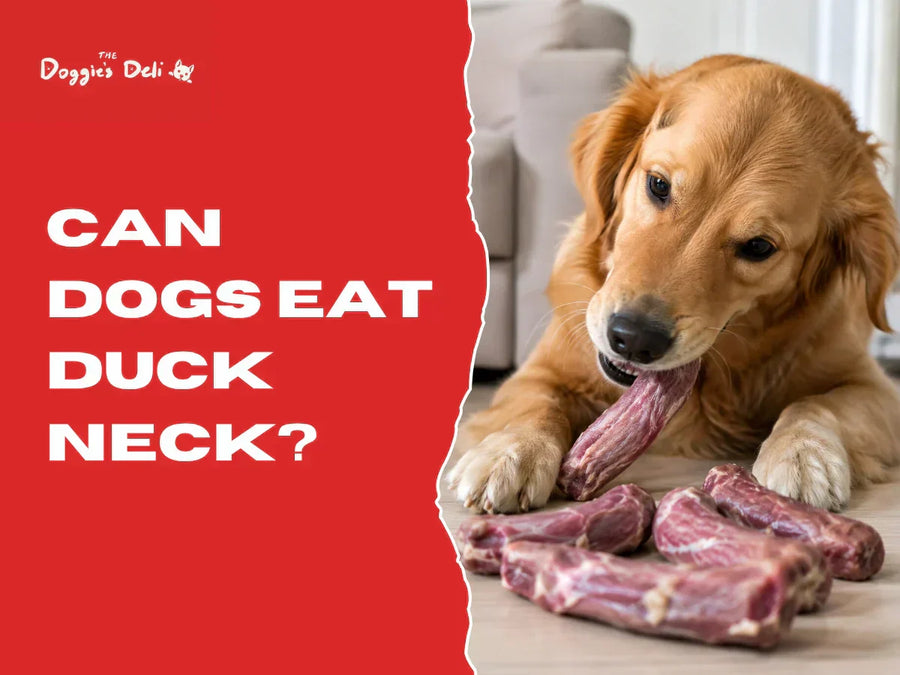
Extended chewing satisfies your dog's natural need to gnaw, reducing anxiety, boredom, and destructive behavior. Treats like Dehydrated Duck Neck and WoofWell Chews provide enough resistance to keep dogs occupied and mentally stimulated, making them a functional daily outlet that supports both dental health and behavioral wellness.
Give After Meals for Maximum Dental Benefit
Offer a dental treat shortly after your dog finishes their main meal. Food debris is freshest at this point, and active chewing immediately after eating helps dislodge particles from teeth and gumline before bacterial activity begins, making each session more effective for plaque prevention.
Match the Chew to Your Dog's Jaw Strength
Choose treats based on your dog's chewing style. Strong, aggressive chewers do well with Dehydrated Duck Neck or Lamb Tenderloin, which offer more resistance. Lighter chewers or smaller breeds are better suited to jerky-style options like Duck Jerky or Beef Jerky that break down more easily without straining the jaw.
Use as a Wind-Down Activity Before Bedtime
Give a longer chew like WoofWell Chews or Comfy Jerky in the evening to help your dog settle. The repetitive chewing motion has a natural calming effect, making it a useful part of a nighttime routine while simultaneously working on dental hygiene before your dog goes to sleep.
Alternate Between Chew Styles Across the Week
Rotate between softer jerky options and firmer chews like duck necks throughout the week. Different textures reach different parts of the mouth and work on teeth at varying angles, giving you more comprehensive coverage than sticking to a single treat type every day.
Use During Crate Time or Independent Play
Place a longer-lasting chew like Dehydrated Duck Neck inside your dog's crate or designated rest space. This gives them a purposeful activity during alone time, reducing stress while keeping their teeth engaged without needing your direct involvement.
Factor Dental Treats into Your Dog's Daily Protein Intake
Dental treats for dogs are protein-dense and contribute meaningfully to your dog's daily macros. Account for them when planning meals rather than treating them as extras. Reducing main meal portions slightly on days when longer chews are given keeps total intake balanced.
One Longer Chew Per Day is Enough
For treats like Dehydrated Duck Neck or WoofWell Chews, one piece per day provides sufficient chewing time for dental benefit without overloading your dog's caloric intake. Multiple long chews in a single day add up quickly, especially for smaller or less active breeds.
Age-Appropriate Chewing for Puppies and Seniors
Puppies have developing teeth, and seniors may have sensitive gums or weaker jaw muscles. For both life stages, opt for softer jerky options and break them into manageable portions. Avoid hard, high-resistance chews for dogs under six months or those with known dental sensitivities.
Do Not Substitute Dental Treats for Professional Cleanings
These treats support oral hygiene as part of a broader routine but are not a replacement for professional veterinary dental exams. Use them consistently between checkups to slow plaque accumulation, and let your vet assess overall dental health on a regular schedule.
Supervise the First Few Sessions with New Chews
Whenever introducing a new treat format, especially longer chews or duck necks, supervise your dog for the first two or three sessions. This lets you monitor chewing pace, ensure pieces are manageable, and step in if your dog attempts to swallow large chunks without adequate chewing.
Always Have Water Available During and After Chewing
Chewing increases saliva production and can leave dogs thirsty, particularly after longer sessions with denser chews. Keep a fresh bowl of water accessible at all times during treat time to support digestion and oral rinsing after the session ends.
Store Chews and Jerky Separately by Texture
Keep longer, denser chews like duck necks separate from thinner jerky strips. Storing them together can cause moisture transfer between product types, softening firmer chews prematurely and affecting the texture that makes them effective for dental cleaning.
Keep Out of Humid Rooms
Avoid storing dental dog treats in bathrooms, laundry rooms, or near dishwashers where ambient humidity is consistently higher. Moisture in the air affects dehydrated and air-fried chews faster than most other treat types, reducing their firmness and shortening usable shelf life.
Do Not Pre-Portion Into Open Bowls
Avoid placing treats into open dishes or bowls ahead of time. Exposure to air degrades the texture and nutritional quality faster than keeping them sealed in the original packaging until the moment you serve them.
Store Larger Chews Upright When Possible
For treats like Dehydrated Duck Neck, storing them upright rather than flat reduces surface contact with the bag lining and helps maintain their shape and texture. A small container or upright pouch works well if the original packaging does not stand on its own.
Refrigerate After Opening if Used Infrequently
If you give dental treats only a few times per week rather than daily, refrigerating them after opening significantly improves their quality. Place them in a sealed container rather than leaving them loose in the fridge to prevent them from absorbing odors from other items.
Discard Any Treat That Shows Softening or Color Change
A dental treat that has gone soft, discolored, or developed an off smell has lost the structural integrity that makes it effective for plaque reduction. Texture matters as much as nutrition here, so discard and replace rather than serving a treat that no longer provides the right chewing resistance.
Grass-Fed Beef, Black Angus Beef, Organic Blueberries, Australian Lamb Tenderloin, New Zealand Venison, Duck Neck, Fruit Juice, All-Natural Duck Breast, Turkey Breast, Dehydrated All-Natural Chicken Breast, Roasted Safflower Seed Powder, Chia Seeds, Kidney Beans, Kabocha, Sweet Potato
Why Choose The Doggie's Deli for Dental Dog Treats?

Premium, All-Natural Ingredients
Finest USDA meats and locally sourced vegetables

No Artificial Additives
Free from preservatives, chemicals, and fillers

Ethically Sourced
Committed to using responsibly sourced ingredients

Free Delivery
Enjoy Free US shipping on orders of $40+.

Handcrafted Freshness
Handmade treats that ensure freshness & nutritional value
LEARN & EXPLORE
Helpful Bites & Quick Answers
Informative blogs and quick answers.

Dental treats for dogs are chewable treats designed to support oral hygiene by encouraging chewing, helping clean the teeth, reducing buildup, and freshening breath. They are often used alongside regular brushing and veterinary dental care, not as a complete replacement for them.
Yes, dental treats can be good for dogs when they are safe, properly sized, and given in moderation. They can help support cleaner teeth and fresher breath, but not all dental products are equally effective, so it is best to choose trusted options and follow your vet's advice for your dog's dental needs.
Most dogs should have dental treats according to the product's feeding instructions, which is often one appropriately sized chew per day. However, treats should still fit within your dog's daily calorie needs, with treats and snacks making up no more than about 10% of their daily calories.
You can give your dog daily dental treats that are made for their size, age, chewing strength, and dietary needs. Good daily options include vet-recommended dental chews, VOHC-accepted products, and natural chews that are not too hard, too small, or likely to splinter.
The Doggie's Deli's dental treats for dogs are different because they focus on natural, high-quality chews made with real ingredients, such as dehydrated and air-fried duck necks that support chewing and dental hygiene. Their treats are made in small batches with human-grade, ethically sourced ingredients and are free from unnecessary seasoning, additives, preservatives, and fillers.
Yes, we offer free US shipping on orders over $40, with in-store pickup available at our Los Angeles location. We also offer free samples in-store so your dog can find their favorite before you commit.