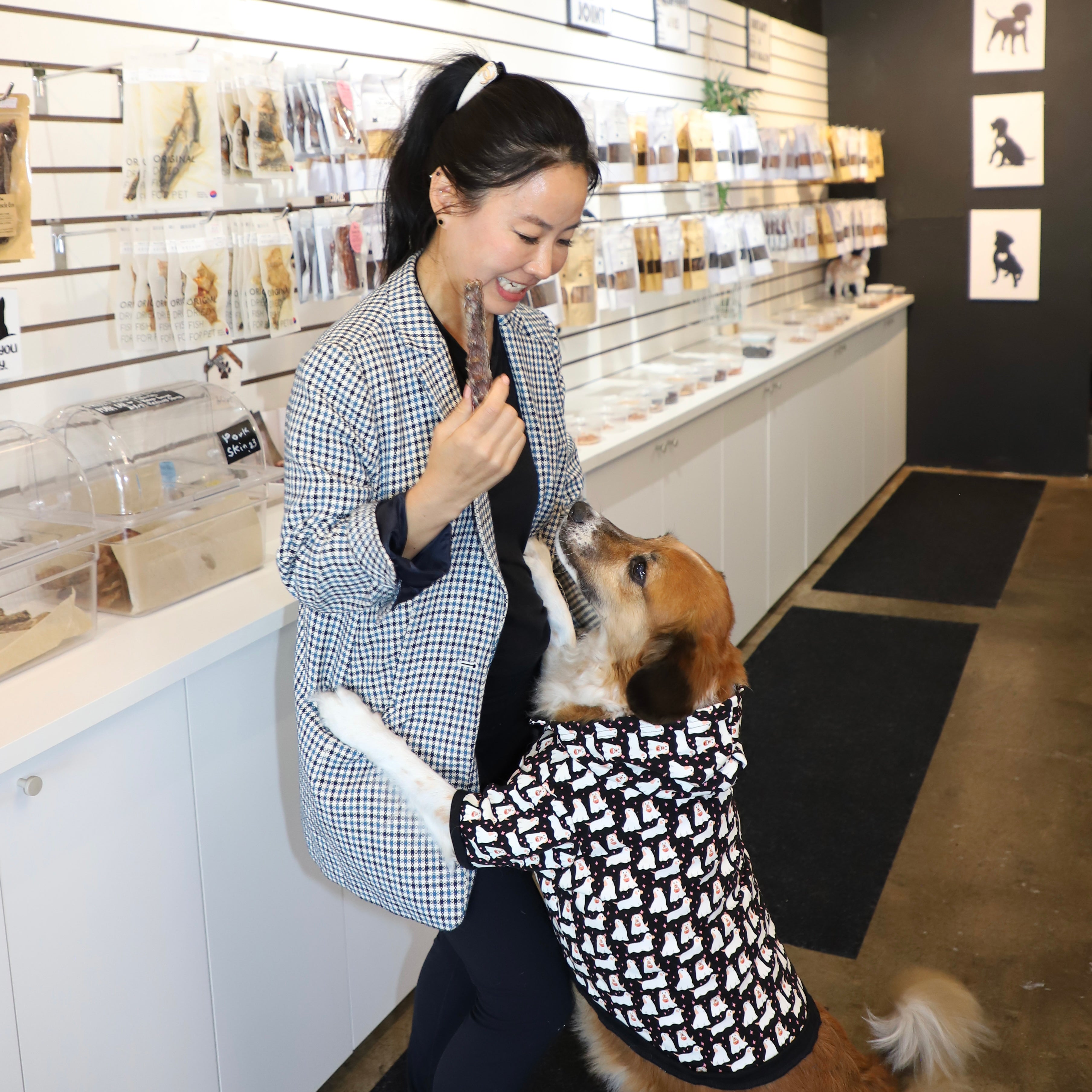

Is Chicken Jerky Good for Dogs?
Yes, chicken jerky is good for dogs when it is made from real chicken breast, contains no unnecessary additives, and is fed in controlled portions. It delivers concentrated lean protein that supports muscle maintenance, daily activity, and recovery while remaining naturally lower in fat than many other meat-based treats. The chewy texture also encourages longer chewing, which may help reduce plaque buildup and support overall dental hygiene.
Despite these benefits, not all chicken jerky products offer the same level of safety. Product quality, ingredient transparency, and manufacturing standards play a major role in determining whether chicken jerky is a beneficial reward or a potential health risk. Some commercial jerky treats have been associated with contamination concerns, digestive issues, and kidney-related illnesses. Selecting single-ingredient chicken jerky from trusted manufacturers, following feeding guidelines, and properly storing treats can help dogs enjoy the nutritional benefits of chicken jerky while minimizing unnecessary risks.
Is Chicken Jerky Safe and Healthy for Dogs?
Yes, chicken jerky is safe and healthy for dogs, but only when it is sourced from high-quality, domestic ingredients, since poorly processed or imported alternatives can cause fatal kidney failure and severe organ damage. When properly manufactured, chicken jerky is an excellent natural dog treat made from dehydrated or baked real chicken breast and provides vital nutrients such as niacin, selenium, and phosphorus.
It delivers a highly concentrated source of lean protein while remaining exceptionally low in fat, making it an ideal reward for building healthy muscles, sustaining energy, and aiding in canine weight management. However, severe health risks emerge when pet owners feed products with hidden artificial preservatives, high sodium levels, or vague country-of-origin labels.
How Much Chicken Jerky Can Dogs Eat?
Dogs can eat chicken jerky in amounts based on their size, roughly half to one small piece per day for small dogs under 20 pounds, one to three pieces for medium dogs of 20 to 50 pounds, and three to four pieces for large dogs over 50 pounds. In every case, treats including chicken jerky should never exceed 10% of your dog's total daily calorie intake, which helps prevent gastrointestinal distress and serious kidney problems.
|
Dog Size |
Recommended Daily Allowance |
Core Nutritional Role |
Sourcing & Health Warning |
|
Small Dogs (Under 20 lbs) |
1/2 to 1 small piece per day |
Delivers concentrated lean muscle-building blocks without overloading small stomachs. |
Monitor small breeds carefully for choking hazards and sudden digestive upset. |
|
Medium Dogs (20–50 lbs) |
1 to 3 pieces per day |
Provides an engaging, high-protein reward that supports daily physical energy levels. |
Ensure pieces are sized appropriately to prevent rapid swallowing or blockages. |
|
Large Dogs (Over 50 lbs) |
3 to 4 pieces per day |
Supplies a nutrient-dense, low-fat complement to their primary raw or kibble diet. |
Keep strict limits to prevent long-term excess protein strains on the kidneys. |
What Are the Benefits of Chicken Jerky for Dogs?
The benefits of chicken jerky include boosting protein intake, maintaining low fat levels, improving dental health, and delivering natural ingredients when human-grade treats are fed in moderation. These advantages help build lean muscle mass, prevent obesity-related issues, mechanically clean teeth during chewing, and reduce the risk of allergic reactions.
4 benefits of chicken jerky for dogs include:
-
High-Quality Protein: Provides high-quality, lean protein to support muscle development and repair.
-
Low in Fat: Supplies naturally low-fat meat to help manage weight and reduce pancreatitis risks.
-
Promotes Dental Health: Utilizes a tough, chewy texture to mechanically reduce plaque and tartar.
-
Natural Ingredients: Offers single, clean formulas that simplify digestion and prevent food sensitivities.
High-Quality Protein
Dogs that eat chicken jerky get high-quality, lean animal protein from concentrated chicken breast, which directly supports muscle development and tissue repair, helping them maintain strong, healthy bodies. These structural nutrients ensure active pets receive sustained daily energy to build physical strength without adding unnecessary, cheap fillers to their routine.
Low Fat Levels
When dogs consume chicken jerky made from skinless poultry, it helps maintain a low-fat diet, reducing the risk of obesity-related health issues and supporting healthy weight management. Keeping fat intake minimal targets digestive stress from within, supporting the metabolic system, and protecting dogs that are highly prone to painful conditions like pancreatitis.
Promotes Dental Health
Giving chicken jerky improves dental health in dogs because the unique, chewy texture of the jerky treats forces your pet to gnaw thoroughly before swallowing. This repetitive, mechanical chewing action naturally rubs against the teeth to help scrape away stubborn plaque and tartar buildup, supporting overall oral hygiene, healthier gums, and fresher breath.
Natural Ingredients
Feeding high-quality chicken jerky to dogs provides a single, natural ingredient, completely free of artificial additives or chemical preservatives that can disrupt the stomach. Regular, moderate intake of these clean components ensures the treat remains exceptionally easy to digest for most dogs, effectively lowering the risk of accidental allergic reactions and sudden gastrointestinal flare-ups.
Are There Any Risks or Warnings About Chicken Jerky for Dogs?
Yes, there are significant risks and warnings about chicken jerky for dogs, including kidney disease, severe gastrointestinal distress, choking hazards and blockages, unknown chemical contaminants, and risks associated with overseas sourcing. Overlooking these explicit health alerts directly exposes your pet to illegal pharmaceutical residues, structural airway obstructions, and life-threatening organ complications that require emergency veterinary intervention.
Below are 5 common risks associated with chicken jerky for dogs:
-
Kidney issues and Fanconi syndrome
Consuming these treats can cause dogs to develop destructive kidney problems or Fanconi-like syndrome, crippling the kidneys' ability to reabsorb vital nutrients and leading to frequent urination, increased thirst, and profound lethargy.
-
Severe gastrointestinal distress
The Indiana Department of Health has documented outbreak-related illnesses where contaminated or improperly processed chicken jerky triggers acute vomiting, diarrhea, and a complete loss of appetite.
-
Choking hazard and blockages
Thick, tough, or oversized jerky strips pose an immediate physical risk of airway blockage or severe digestive tract obstructions, leaving small breeds and aggressive chewers especially vulnerable to choking.
-
Unknown chemical contaminants
Testing reveals that certain commercial jerky products contain undisclosed harmful substances, including illegal antibiotics, antivirals, or unlisted texturizing preservatives like vegetable glycerin that are completely left off packaging labels.
-
Overseas sourcing dangers
Chicken jerky manufactured in regions with low safety oversight, such as China, carries a much higher incidence of toxic contamination, though dangerous recalls continue to affect domestic brands as well.
What Did the FDA Find About Chicken Jerky Treats for Dogs?
The FDA has investigated and found that chicken jerky treats for dogs are linked to numerous reports of serious illness, specifically causing severe kidney problems like Fanconi syndrome, acute gastrointestinal distress, and profound lethargy. Despite conducting extensive laboratory testing alongside the Indiana Department of Health, the agency has not identified a definitive contaminant or cause for these widespread illnesses.
What Factors Should You Consider Before Feeding Chicken Jerky to Your Dog?
The factors you should consider before feeding chicken jerky to your dog include verifying the country of origin, checking the ingredient list, avoiding human jerky, managing the treat's percentage in their diet, tracking potential health risks and allergies, checking suitability for specific conditions, maintaining proper freshness, and preventing choking hazards. Overlooking these manufacturing, medical, and nutritional elements directly exposes your pet to toxic chemical contaminants, severe foodborne illnesses, and dangerous organ damage like Fanconi-like syndrome.
9 factors you should consider before feeding chicken jerky to your dog:
- Country of origin safety: Verify the manufacturing location and choose regions with strict safety standards, like the USA, to avoid contaminated imports linked by the Indiana Department of Health to canine kidney failure.
- Ingredient list purity: Scan the label for single-ingredient jerky made from 100% chicken breast to completely eliminate added glycerin, salt, or artificial preservatives that trigger gastrointestinal distress.
- Avoid human jerky: Reject all jerky products intended for people because they contain toxic canine ingredients like spices, garlic, and onion that can cause severe internal poisoning.
- Treat percentage of diet: Restrict chicken jerky treats to no more than 10% of your dog's daily caloric intake to prevent disrupting a balanced diet and causing health problems.
- Potential health risks: Monitor your dog closely for signs of illness, such as vomiting, diarrhea, and lethargy, which the FDA has investigated in connection with jerky-related kidney issues.
- Potential meat allergies: Watch for adverse symptoms such as itchy skin, hives, ear infections, or vomiting, as chicken is a common food allergen for some dogs.
- Suitability for specific conditions: Consult your veterinarian before offering high-protein or high-sodium treats to dogs with pre-existing medical conditions, such as chronic kidney disease or acute food sensitivities.
- Freshness and storage: Store homemade, preservative-free chicken jerky in the refrigerator and consume it within 2 weeks to prevent spoilage and mold growth.
- Choking hazard prevention: Cut the naturally tough jerky strips into appropriately sized pieces and supervise your pet while they eat to prevent dangerous airway blockages, especially in small dogs.
How Can You Make Chicken Jerky for Dogs at Home?
Make chicken jerky for dogs at home by using plain chicken meat and processing it without additives, preservatives, or seasonings to maintain full control over the ingredients. Preparing this treat yourself helps avoid potentially harmful substances sometimes found in commercial products and supports a safer, more natural diet that eliminates artificial preservatives and unknown additives.
Follow these steps to prepare the treats:
-
Step 1: Select a fresh chicken breast
Choose high-quality, boneless, skinless chicken breast as your sole ingredient to ensure you create a safe, single-ingredient treat that contains no hidden additives or pre-processed components.
-
Step 2: Cut visible fat
Slice away all visible fat from the meat before cooking, which promotes consistent drying across all pieces and actively prevents the finished jerky from spoiling prematurely.
-
Step 3: Slice into thin strips
Cut the chicken breast into thin, uniform strips about 1/8 to 1/4 inch thick after a brief freezing period, ensuring the meat dries evenly without leaving raw spots.
-
Step 4: Arrange on racks
Lay the raw chicken strips evenly across a wire rack placed over a baking sheet or directly onto dehydrator trays, making sure none of the pieces overlap so hot air can circulate freely.
-
Step 5: Set appropriate temperatures
Preheat your oven or set your food dehydrator to 160°F to 165°F to ensure the meat cooks thoroughly while effectively eliminating dangerous foodborne pathogens.
-
Step 6: Dry until completely crisp
Process the meat for 3 to 10 hours, checking its progress periodically and removing the strips only when they are completely crisp, moisture-free, and thoroughly dried.
-
Step 7: Exclude all seasonings
Leave out all salt, garlic, onion powder, spices, and artificial flavorings during preparation, as these common culinary enhancers are highly toxic to dogs and cause severe health issues.
How to Incorporate Chicken Jerky Into Your Dog’s Diet?
Incorporate chicken jerky into your dog's diet by using it as a meal topper, offering it inside puzzle toys, selecting safe, natural products, consulting your veterinarian, and practicing strict portion moderation. These methods help maintain a balanced diet while providing a protein-rich treat that supports overall health and mental stimulation.
5 Key Ways to Incorporate Chicken Jerky Into Your Dog's Diet
-
Use as a Meal Topper: Break or crush small pieces of chicken jerky and sprinkle them over your dog’s regular food. This adds a protein-rich boost and a dynamic texture that appeals to picky eaters and encourages better eating habits.
-
Offer as a Treat in Puzzle Toys: Place bite-sized pieces of chicken jerky inside a puzzle toy or treat dispenser. This provides valuable mental stimulation and safely forces dogs that eat too quickly to slow down.
-
Choose Safe, Natural Jerky: Select chicken jerky made exclusively from single, clean ingredients without any artificial preservatives, seasonings, or additives. Avoiding added flavors or chemical compounds prevents adverse food reactions and long-term health issues.
-
Consult Your Veterinarian: Speak with your veterinarian before introducing chicken jerky to ensure it fits your dog's specific nutritional needs. This professional step is essential for dogs managing existing allergies, sensitivities, or medical conditions.
-
Monitor and Practice Moderation: Feed chicken jerky in strict moderation and watch closely for signs of digestive upset, such as vomiting or diarrhea. Ensure treats do not exceed 10% of your dog’s daily caloric intake to sustain a balanced diet.
How Can You Choose the Best Chicken Jerky for Your Dog?
Choose the best chicken jerky for your dog by verifying single-ingredient purity, domestic manufacturing standards, and the total absence of artificial additives. Investing time into checking these specific production variables guarantees your pet receives an unadulterated, highly digestible source of protein without accidentally introducing harmful contaminants or low-grade fillers into their daily diet.
Follow these instructions to select the ideal option:
-
Ingredient Purity: Select packages that feature a single ingredient specifying 100% chicken breast as the sole component, completely avoiding unnecessary fillers and reducing allergic reactions.
-
Country of Origin: Purchase treats exclusively sourced and manufactured in the USA to ensure compliance with higher pet food safety regulations and clear quality controls.
-
Zero Artificial Additives: Avoid jerky containing artificial preservatives, added glycerin, salt, smoke flavoring, or sugar that mask lower-quality ingredients and can cause health problems.
-
Label Transparency: Search for products with clear, transparent labeling that lists every single ingredient and openly states the country of origin.
Ingredient Purity
When choosing chicken jerky, select packages that feature a single, clear ingredient list specifying 100% chicken breast as the sole ingredient, free of unnecessary fillers. This clean approach avoids common digestive issues and allows pet owners to easily monitor what their dog is eating, supporting a natural diet.
Country of Origin
Purchase chicken jerky treats exclusively sourced and manufactured in the USA to guarantee the product complies with stricter food safety and quality standards. This verification helps prevent contaminated imported products that have triggered severe gastrointestinal and kidney health complaints, as noted by organizations such as the Indiana Department of Health.
Zero Artificial Additives
Eliminate any products containing artificial preservatives, added glycerin, salt, smoke flavors, or sugars, which commercial manufacturers often use to enhance texture or extend shelf life. A short, simple ingredient list signals a safer reward that will not cause long-term toxic reactions or mask the presence of lower-grade meat.
Label Transparency
Search for chicken jerky providers that maintain clear, transparent labeling on their packaging, explicitly listing every ingredient along with detailed processing information. Reviewing product labels and verifying sourcing details helps you make informed decisions and reject products that contain unwanted chemical stabilizers or vague fillers.
How Should You Store Chicken Jerky?
Store chicken jerky in airtight containers to prevent moisture exposure and rapid mold growth. Failing to practice proper preservation methods directly exposes your dog to toxic spoilage and dangerous foodborne bacteria that naturally thrive in treats lacking artificial chemical preservatives.
3 ways to store chicken jerky include:
-
Utilize short-term pantry storage for immediate use: Keep the jerky sealed in a cool, dry place for up to one week. Because natural chicken jerky lacks artificial preservatives, keeping it away from moisture changes prevents premature spoilage.
-
Refrigerate the treats to extend freshness: Place the jerky inside an airtight container with a paper towel to absorb moisture, then refrigerate for up to two to three weeks. This limits internal condensation and prevents surface mold growth.
-
Freeze bulk batches for maximum shelf life: Pack the chicken jerky into a freezer bag, separating each batch with parchment paper, to preserve quality for up to 8 months. It keeps the pieces from sticking together while maintaining texture.
Examine the chicken jerky carefully before feeding it, and discard the batch immediately if you spot signs of mold. Protect your pet's health by watching for physical discoloration, off smells, or visible growth.
What Should You Look for on the Chicken Jerky Label?
Look for single-ingredient listings, USA-sourced stamps, clean recipes free of fillers, "human-grade" certifications, and full label transparency on the chicken jerky label to ensure your dog receives a clean, natural treat made under strict safety standards. Thoroughly reading these packaging metrics protects your pet from hidden chemical additives, low-quality animal by-products, and toxic imports that directly compromise canine health.
Check the chicken jerky label for the following:
-
Single-ingredient listings: Choose chicken jerky that lists only one ingredient, such as "100% chicken" or "chicken breast," to eliminate the risk of hidden additives and ensure a natural reward.
-
USA-sourced and made stamps: Locate labels that explicitly state the chicken is sourced and made in the USA to guarantee the product complies with strict safety standards and quality regulations.
-
No added sugars, salts, or fillers: Reject products containing added sugars, syrups, salt, corn, glycerin, or chemical preservatives, which compromise treat safety and offer no health benefits.
-
Human-grade certifications: Select jerky carrying a "human grade" label to ensure the meat is processed in facilities meeting human food safety standards for maximum quality assurance.
-
Total label transparency: Verify that the packaging clearly details every ingredient, the country of origin, and the exact processing methods, avoiding vague descriptions.
How Should You Choose a Chicken Jerky Treat Provider?
Choose a chicken jerky treat provider by carefully evaluating their manufacturing location, ingredient purity, and supply chain transparency to guarantee your pet receives a safe, high-quality reward. Selecting an unreliable supplier directly risks exposing your dog to toxic chemical contaminants, harmful fillers, and unsafe processing methods that cause catastrophic organ damage like Fanconi syndrome and kidney failure.
Follow these instructions to select a reputable provider:
- Verify USA manufacturing and sourcing: Select chicken jerky treats made and sourced exclusively in the USA to ensure the product undergoes rigorous pet food safety inspections and regulatory oversight.
- Prioritize single-ingredient recipes: Look for providers offering jerky that lists only one pure ingredient, such as 100% chicken breast, to completely eliminate artificial preservatives, added salts, sugars, and unnecessary fillers.
- Demand transparent supply chains: Choose companies that clearly state where they source their chicken and openly detail their manufacturing and quality-control practices.
- Reject vague or unverified packaging labels: Eliminate any treats that carry unclear country-of-origin markings or list a long list of additives that can trigger vomiting, diarrhea, and decreased appetite.